Best villages around Cambridge to live in: How to choose the right one
The villages around Cambridge are more than picturesque postcodes; they reflect a variety of practical, social, and travel priorities that influence how well a location works in real life.
Choosing the right village near Cambridge is rarely about identifying a single “best” option. In practice, it is about understanding how different villages function day to day and how well they support the way you want to live, travel, and spend your time.
For some buyers, access to a particular school or railway station is the deciding factor. For others, it is about preserving a sense of village life while remaining well connected to Cambridge, London, or international travel routes.
Families, downsizers, and those relocating from elsewhere in the UK or overseas often find that the realities of daily access matter far more than simple distance on a map.
This guide looks at villages around Cambridge through the lens of connectivity, practicality, and long-term liveability, focusing on the considerations that tend to shape successful moves at the higher end of the market.
Cambridge commuter villages: Why travel time matters more than distance
Cambridge is served by key strategic transport routes, including the M11 to the south and the A14 to the north, as well as rail services into London and beyond. However, many buyers initially underestimate how variable travel times can be across the region.
In reality, everyday journeys are often shaped by local conditions rather than headline distances.
Level crossings, school-run traffic, shopping routes, and pinch points on approach roads can all add unexpected time to what appears to be a short journey.
It is not uncommon for someone living closer to central Cambridge to take longer to reach a station or business park than a buyer based slightly further out but with clearer access.
Understanding these patterns is particularly important for those balancing commuting, school runs, and regular travel, and it often plays a significant role in determining which of the villages around Cambridge feels workable over the long term.
Best-connected villages south and west of Cambridge
The south and west of Cambridge remain consistently popular, largely due to their access to the city, Addenbrooke’s Hospital, and the M11. That popularity does bring congestion at certain times of day, particularly during peak hours, but the experience varies depending on timing and route choice.
For many buyers, leaving earlier in the morning can make a noticeable difference, and in some locations, there is flexibility in how you approach the city. For those with less rigid schedules, this can make these areas feel far more manageable than first impressions might suggest.
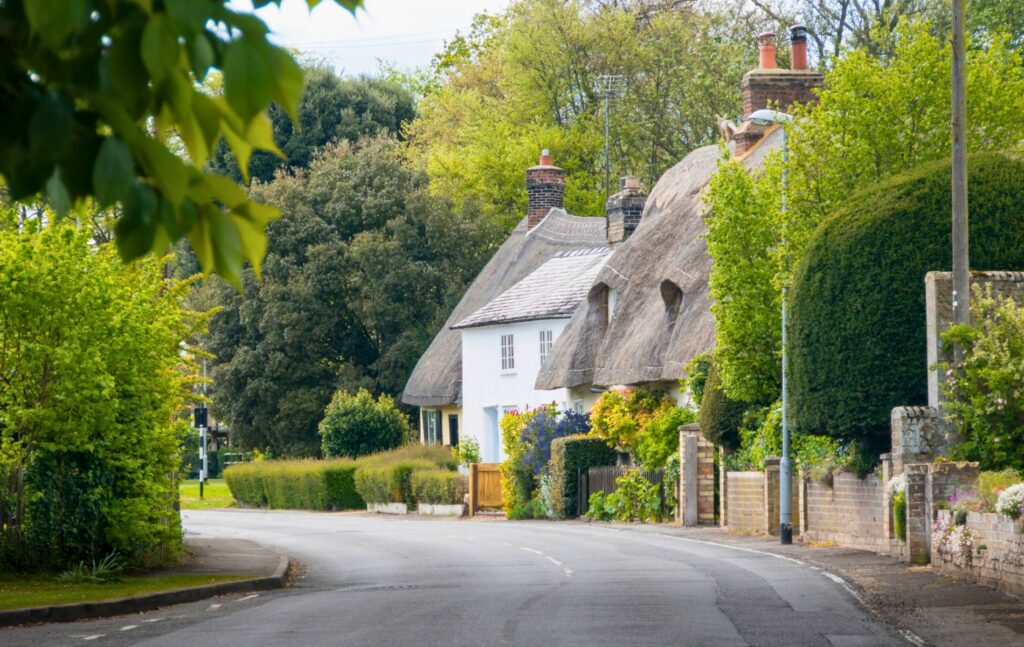
Best places to live west of Cambridge
For buyers who prefer not to live within Cambridge itself, several villages to the west offer relatively direct routes into the city while retaining a strong village identity. Barton, Coton, Haslingfield, Harlton, and the Eversdens are frequently considered by those who value access combined with a more settled pace of life.
Barton, in particular, benefits from Burwash Manor, a destination for independent shops and food-led retailers with a café, which reduces reliance on the city for everyday needs. Amenities of this kind can play a meaningful role in day-to-day convenience, especially for those working flexibly or from home.
While transport infrastructure in this area continues to be discussed and refined, most buyers find it sensible to base decisions on how villages function today rather than on longer-term proposals that may take time to materialise.
Living south of Cambridge
The villages around Cambridge to the south are among the most sought‑after locations, particularly for buyers who require reliable access to London or to Addenbrooke’s. Along the A10 and surrounding routes, locations such as Melbourn, Meldreth, Shepreth, Foxton, Harston, Barrington, and Fowlmere offer flexibility that appeals to both commuters and those working locally.
Melbourn stands out for the breadth of amenities it offers.
These include independent shops and cafés, while nearby destinations such as Bury Lane Farm Shop add further convenience with a farm shop, café, and family-friendly facilities. Access to these local amenities often reduces the need for regular trips into Cambridge itself.
Closer to the city, villages including Great Shelford, Little Shelford, Whittlesford, Thriplow, and Grantchester combine proximity with an established village character. These locations tend to attract buyers seeking shorter journeys into Cambridge alongside traditional pubs, local shops, and a sense of continuity that has developed over many years.
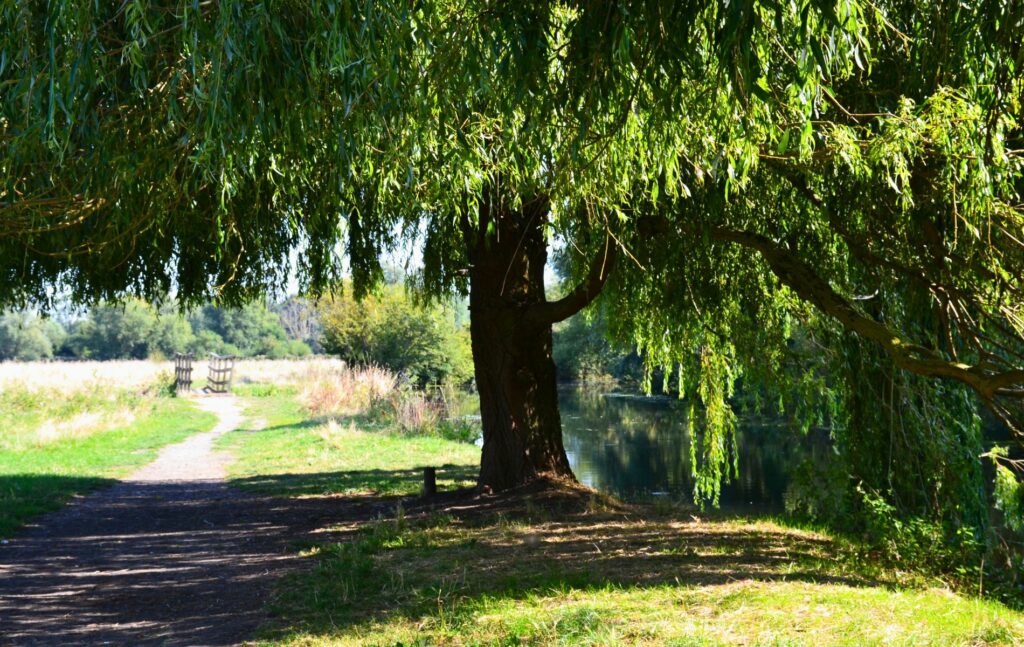
North of Cambridge: Emerging village hotspots and infrastructure growth
The northern side of Cambridge has seen considerable infrastructure and development activity over recent years. A major upgrade to the A14 between Huntingdon and Cambridge opened key sections to traffic in 2020, improving east–west movement and connectivity on this strategic corridor.
In the wider area, significant planning and development continues, notably at Waterbeach New Town, where the former barracks site and surrounding land are being redeveloped with new homes, infrastructure, and a proposed relocated railway station to support future residents.
The North West Cambridge Development (Eddington) has introduced a large mixed‑use residential quarter with housing, retail space, and community facilities, complementing employment and research hubs nearby.
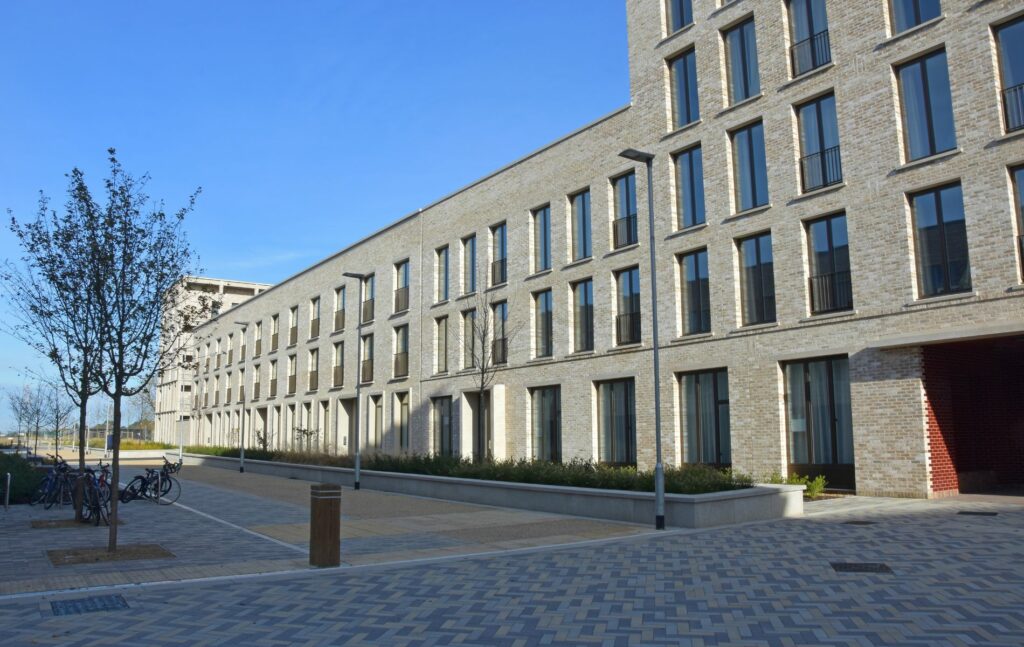
As a result of these evolving dynamics and longstanding village appeal, locations such as Histon, Impington, and Cottenham remain attractive to buyers. These villages offer a range of local shops, services, and well‑regarded schools alongside their traditional village character and access to Cambridge.
East Cambridge villages: Quieter lifestyle with local charm
Villages to the east of Cambridge have historically offered less direct access to the city for some routes, particularly compared with the south and west. Even so, they remain popular with buyers who value established communities and a slightly quieter pace of life.
Balsham, Linton, the Wilbrahams and the Abingtons all offer a good range of everyday amenities, including local shops, cafés and post offices.
While connectivity may evolve over time as Cambridge continues to grow, most buyers find it helpful to assess these villages based on current infrastructure and realistic travel patterns rather than anticipated change alone.
What’s next for the villages around Cambridge
Searching the villages around Cambridge for a location that meets your needs involves more than assessing what is in place today. Cambridge continues to grow as an economic centre, and over time, this inevitably influences surrounding villages through new housing, infrastructure investment, and commercial development.
While regional initiatives and connectivity proposals have evolved over recent years, buyers who take a measured view, balancing present-day practicality with an understanding of likely local change, are often better placed to make confident long-term decisions.
How to choose the right Cambridgeshire village
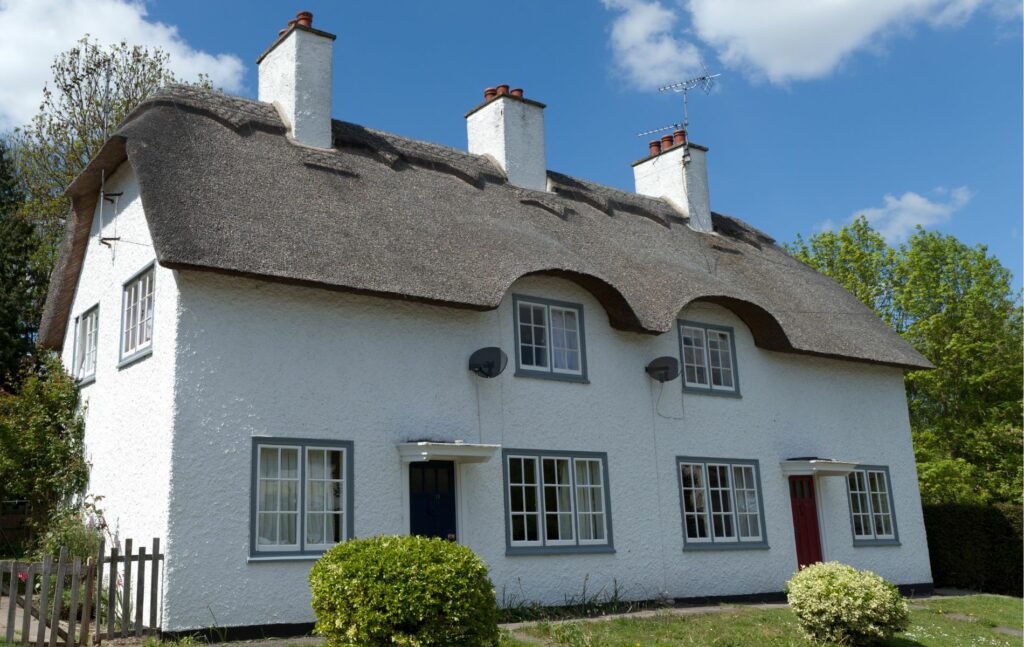
Selecting the right village is rarely straightforward, particularly for families, downsizers, or those relocating from elsewhere in the UK or overseas. The most successful moves tend to be guided by an understanding of daily routines, realistic travel patterns, and the subtle differences between neighbouring villages that are not always obvious from online research alone.
Careful advice can be especially valuable when navigating pricing nuances, access to off-market opportunities, and negotiation strategy, all of which can materially affect both the outcome and the experience of buying.
Whether you’re considering a move to one of the villages around Cambridge or exploring wider Cambridgeshire, we’re here to help you find the right fit. Please do get in touch to discuss your plans.