Living in Diss: Norfolk’s Market Town on the Suffolk Border
Living in Diss, Norfolk brings together traditional market town character, excellent transport connections and a setting close to the Suffolk border.
For house hunters, this means the search for a home can easily extend into neighbouring Suffolk, while still keeping Diss, its station and everyday amenities within easy reach.
With direct trains to London and Norwich, handsome period architecture and attractive villages dotted across the surrounding countryside, Diss has plenty to offer those looking for a well-connected place to call home in this part of East Anglia.
The town and the Mere
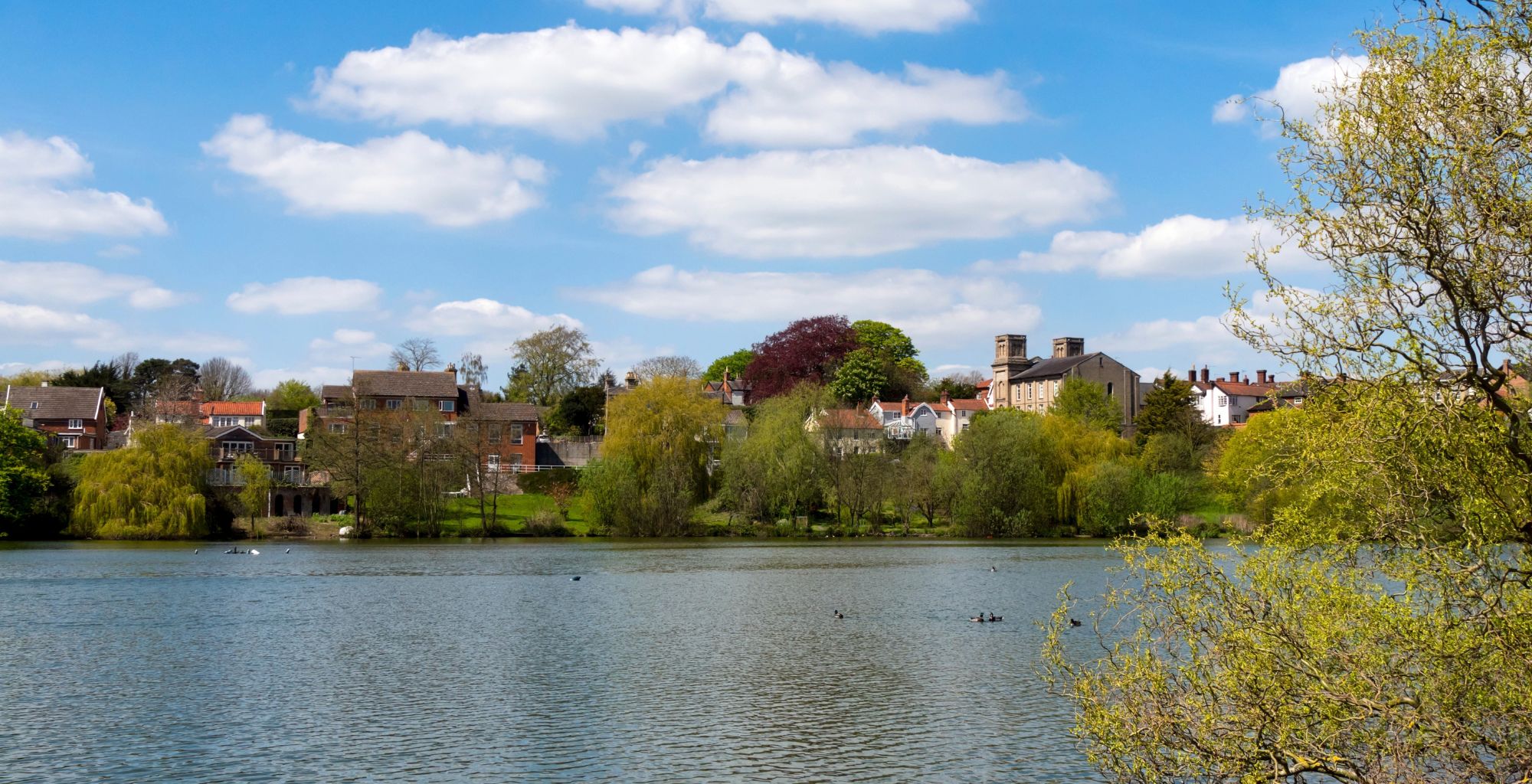
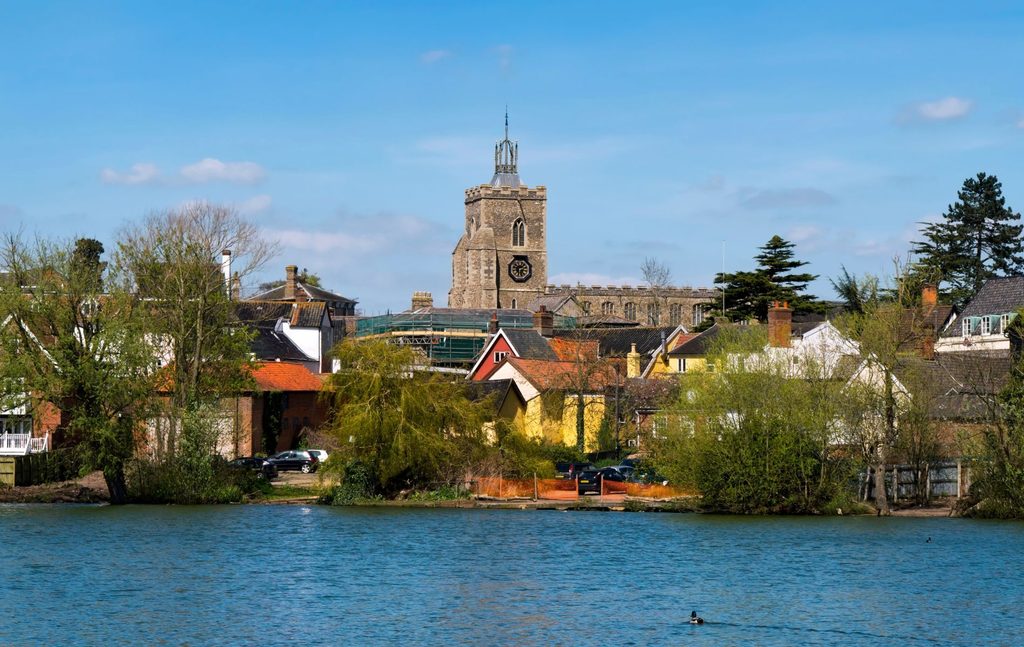
At the heart of Diss is the Mere, a six-acre natural lake surrounded by the town’s historic centre. It is a distinctive feature for a market town and, together with the adjoining park, provides a lovely open space overlooked by some of Diss’s older streets and buildings.
The surrounding Diss Conservation Area contains 157 listed buildings, including the medieval parish church of St Mary.
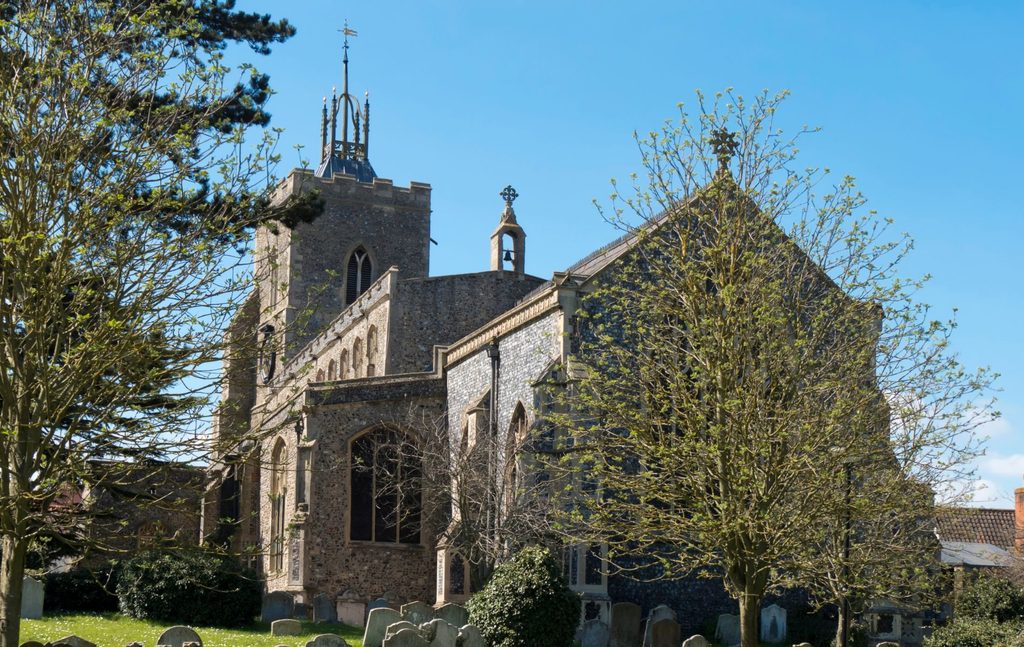
Elizabethan, Georgian and Victorian frontages add further layers, particularly around Market Hill, Mount Street and the lanes close to the church.
The centre has retained an everyday purpose alongside its heritage. A traditional market is held each Friday, while the Grade II listed Corn Hall, built in the 1850s, remains an active arts venue rather than simply a historic landmark. Its year-round programme encompasses theatre, music, exhibitions and community events.
For those considering living in Diss, that combination gives the centre a strong sense of place without relying solely on its past.
The property market: Character and value
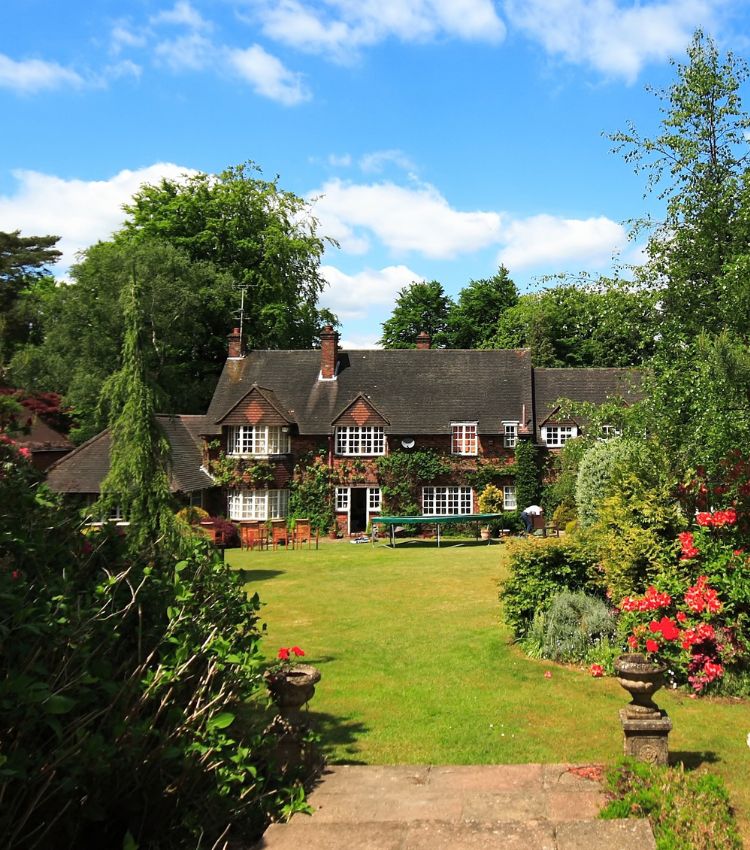
Diss, Norfolk property ranges from period townhouses and cottages to larger detached homes and more recent developments.
Character homes form an important part of the historic core.
Around the Mere, Mount Street and Market Hill, it is possible to combine older architecture with easy access to shops, cafés, the market and Corn Hall. The railway station is also within reach of the centre, an important consideration for households retaining regular connections elsewhere.
Further out, the housing stock becomes broader, with more family homes and opportunities for additional internal and outside space, while the convenience of the centre may appeal to downsizers looking to keep shops, transport and everyday amenities close at hand.
Someone relocating from London or the Home Counties might initially focus on a period house close to the Mere, for example, before discovering that the quieter roads and villages around Diss offer a different balance of space and convenience.
Individual streets and the settlements immediately outside the town therefore deserve as much consideration as the centre itself.
Where to live in and around Diss
The historic centre will appeal to those who value having shops, cafés and everyday amenities within walking distance, while its mix of period houses and cottages gives the area plenty of architectural character.
Fair Green and the streets heading towards the River Waveney offer a different proposition. This historic area of Diss has a more open feel and includes larger properties, making it worth considering for those seeking more space without moving into a separate village.
Immediately west of the town, Roydon provides a quieter setting while keeping Diss close by. It has its own primary school and can suit families as well as those who prefer village surroundings without being far removed from the station and amenities.
The Norfolk-Suffolk border then adds an unusual dimension to the search.
Palgrave lies across the River Waveney in Suffolk, yet is still only around a mile from Diss. It offers a village setting and a Suffolk address while retaining the practical advantages of having Diss on the doorstep.
Scole, a short distance to the east, sits on the Norfolk-Suffolk boundary and has straightforward access to both Diss and the A140.
For anyone moving to Diss, the result is an unusually flexible search area. Norfolk and Suffolk addresses can effectively be considered together without sacrificing access to the same station, shops and services.
Connectivity: The practical picture
Diss is well placed for households needing connections with both London and Norwich.
Its station sits on the Great Eastern Main Line, with direct Greater Anglia services to London Liverpool Street. The fastest journeys are around 75 to 80 minutes, while the average across the day is closer to 90 minutes.
For regular commuters, checking the timings of the particular services they are likely to use is therefore more useful than relying solely on the headline fastest journey.
Norwich can be reached directly by rail in around 20 to 30 minutes.
This opens up employment, education and cultural opportunities in the city without requiring a move closer to it.
By road, the A140 connects Diss with Norwich to the north and Ipswich to the south, while other routes provide access across the Waveney Valley and west towards Bury St Edmunds.
Those considering Diss alongside other East Anglian market towns may also find our guides to Living in Beccles and Living in Wymondham offer a closer look at two other well-connected towns in the region.
Schools
Diss has state education within the town, supplemented by schools in the surrounding villages.
Diss Infant Academy and Nursery and Diss CE Junior Academy serve younger pupils, while Diss High School is the local 11 to 18 academy. Nearby Roydon Primary School provides another option for families considering the village, with further educational choices available across the wider area.
Catchment boundaries and admissions arrangements are reviewed periodically and can change. Anyone making a house purchase with a particular educational establishment in mind should therefore confirm the current position directly with the relevant school and local authority before committing to a location.
Living in Diss: Help finding the right home
Living in Diss can mean very different things within a surprisingly compact area. There are period streets around the Mere, more spacious surroundings towards Fair Green, village life in Roydon and the option of crossing the county boundary into Suffolk at Palgrave.
Sam Williams, Garrington’s Regional Partner for Norfolk and Suffolk, works with clients looking for homes across Diss and the surrounding area. If you are considering a move, Sam and the Garrington East team would be pleased to discuss your requirements and help identify the locations and properties that best match them.
Please get in touch.